
Jaipur Heritage Travel Guide: Forts, Palaces and Where to Stay in the Pink City
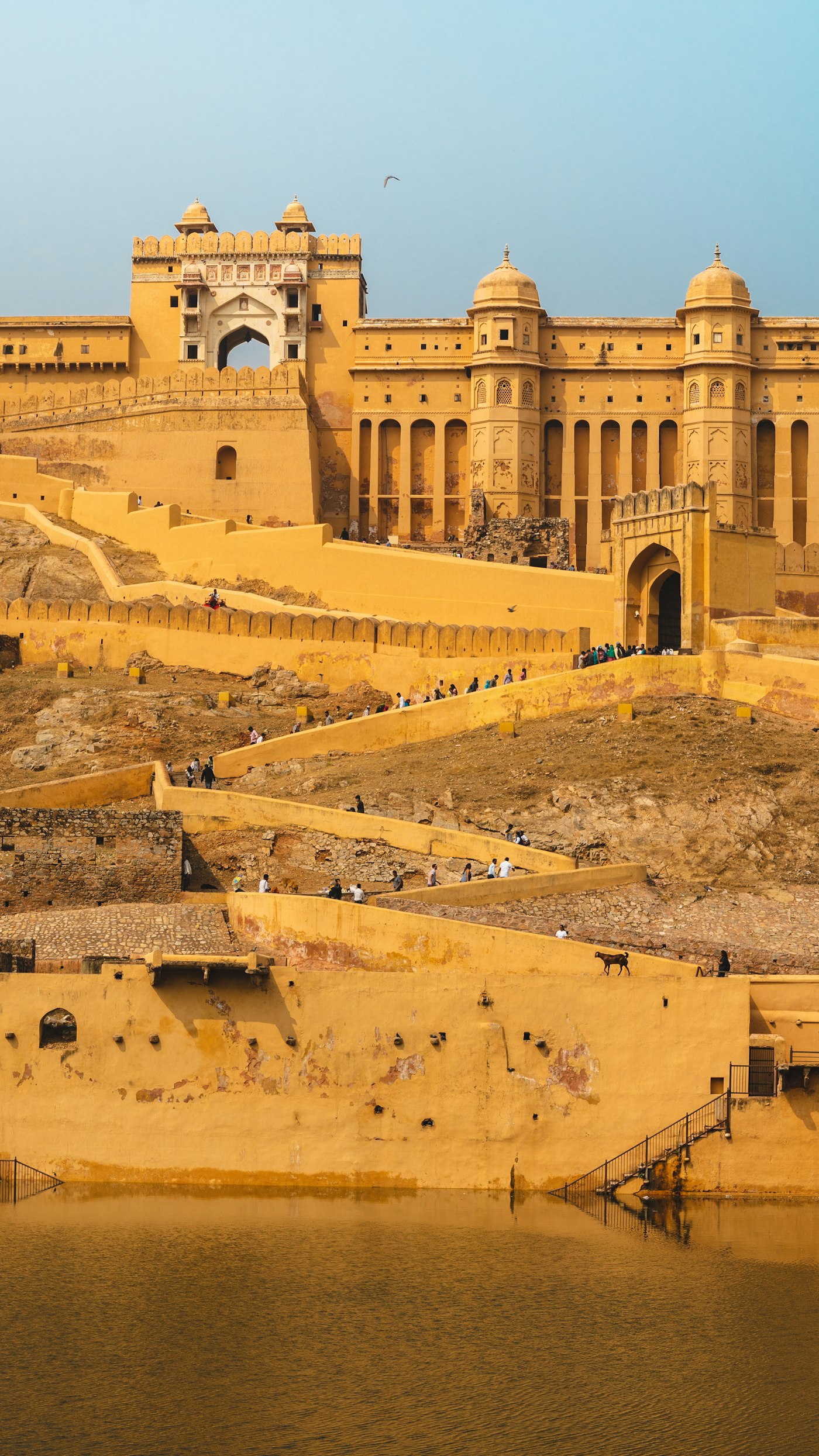
Jaipur wears its history openly. Painted the colour of hospitality in 1876, the old city is a grid of bazaars, palaces and observatories, ringed by hilltop forts. It is one corner of India’s famous Golden Triangle and rewards travellers who slow down.
When to go
October to March brings pleasant days and cool evenings, perfect for exploring forts on foot. Summer is intensely hot, while the monsoon months are quieter and greener with lower hotel prices.
Must-see sights
Plan your mornings around the big forts and your evenings around the old city.
- Amber Fort — arrive at opening time to beat the heat and the crowds.
- City Palace and Jantar Mantar — royal residence and a UNESCO-listed astronomical observatory, side by side.
- Hawa Mahal — best photographed from the cafés opposite in the morning light.
- Nahargarh Fort — the classic spot for a sunset over the city.
- Johari and Bapu Bazaars — gemstones, block-printed textiles and mojari shoes.
A simple 3-day plan
Day one: Amber Fort, Panna Meena ka Kund stepwell and Jal Mahal. Day two: City Palace, Jantar Mantar, Hawa Mahal and the bazaars. Day three: a cooking class or block-printing workshop, followed by sunset at Nahargarh.
Staying in a heritage property
Jaipur is one of the best places in India to stay in a converted haveli or palace. Expect courtyards, frescoed rooms and rooftop dining. Check reviews for room size and noise — older buildings vary — and confirm whether the property is inside the walled city or in a quieter neighbourhood.
Ready to plan your Jaipur trip?
Compare hotels, resorts and villas with real guest reviews and book in just a few taps.
Explore stays in JaipurKeep reading
All articlesHeritage & CultureGolden Triangle Itinerary: Delhi, Agra and Jaipur in 7 Days
India’s classic first-timer route — Mughal monuments, the Taj Mahal at sunrise and royal Rajasthan, planned day by day.
Read article Destinations
Best Time to Visit Goa: A Season-by-Season Beach Holiday Guide
Peak sunshine, monsoon greens or quiet shoulder months — here is how to pick the right season for your Goa trip and where to stay in each.
Read article Hotel Guides
How to Choose the Right Hotel: A 10-Point Checklist for Every Trip
Location, reviews, cancellation rules and hidden costs — a simple checklist that helps you book a hotel you will actually love.
Read article